|
|
|
Snapping at your friends over nothing? Suddenly can’t stand the way your partner chews? It might not just be stress—it could be perimenopause irritability (and yes, it’s very common). The good news: Hormone replacement therapy (HRT) might help you find your calm.
HRT is most often prescribed for symptoms like hot flashes, night sweats, and vaginal dryness, but it can also help with mood swings, said Dr. Shelly Latte-Naor during a recent Midi webinar.
HRT works by stabilizing hormone levels, which, in some cases, is enough to ease irritability on its own. It also has the added benefit of improving mood indirectly by relieving other symptoms that can really wear you down, like trouble sleeping, constant hot flashes, or brain fog. When those issues start to get better, you'll feel more like yourself again.
Curious if HRT—or another solution—is right for you? Book a Midi visit and talk it through with a clinician.
|
|
|
|
|
|
Midi Diaries |
|
“I cried with joy”
- Eva T., 51 |
|
When perimenopause started, I struggled with mood swings, anxiety, depression, brain fog, and irregular periods. I didn’t know what was happening to my body! My OB/GYN and psychologist both told me I had to ride it out until I was in full-blown menopause.
I couldn’t live like that, so I researched insurance-covered options and found Midi. I cried with joy during my first appointment with my clinician. My feelings were finally validated, and I was reassured that help was available.
For me, help meant HRT. My clinician started me on an estrogen patch and progesterone. Today was my six-week follow-up, and I’m feeling so much better than when I started. There is still more I need to do to get the old me back, but my clinician is supportive and working with me to get there.
|
|
|
|
Inspired by this patient’s story and ready to discover how expert support can transform your midlife journey? You’re just a few quick steps away from booking your first visit with a Midi clinician. |
| Book My Virtual Visit |
|
|
|
 |
Trending Topics |
|
|
|
|
|
Ask a Midi Clinician |
|
Midi’s new YouTube series is here! The second episode gets real about midlife weight gain and GLP-1s. Check out the full episode here—and get a sneak peek at one of the topics covered below.
The expert: Kathleen Jordan, MD, Midi’s Chief Medical Officer
Q: “Can intermittent fasting help me lose the weight I’ve gained during menopause?”
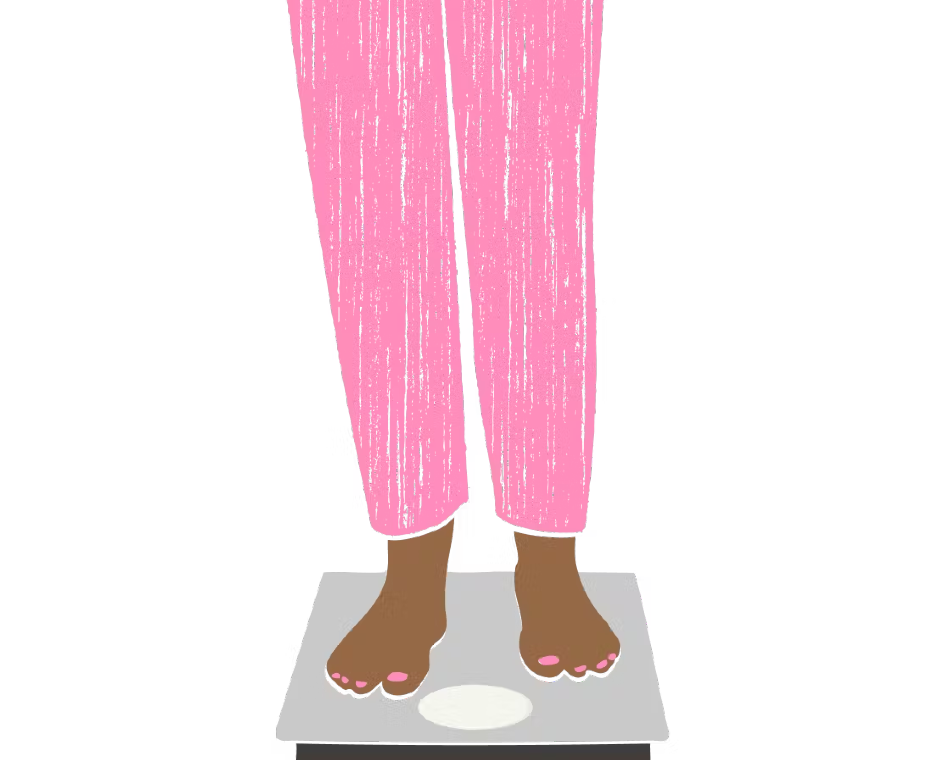
A: Yes, at Midi, we often recommend intermittent fasting—also known as timed eating—for patients struggling with stubborn weight gain. Here’s why: As estrogen levels decline during menopause, your body becomes less sensitive to insulin. This can raise your risk for prediabetes and make weight loss more difficult.
By limiting your eating window—say, between 10 a.m. and 6 p.m.—you may improve insulin sensitivity, better support your metabolism, and naturally reduce your calorie intake. The result: You’ll lose weight in a sustainable way, without falling into the trap of restrictive dieting.
|
| Watch The Full Episode |
|
|
|
|
Missed last week’s newsletter?
Catch up on past editions of the Midi Weekly and subscribe to get expert tips, science-backed solutions, and the latest menopause news straight to your inbox. |
| Read More |
|
|
|
|
Have a menopause-related question you want our experts to weigh in on? Let us know and we’ll answer it in an upcoming newsletter. |
|
|
|
|