Share
And whether creatine is worth trying for weight loss
 ‌ ‌ ‌ ‌ ‌ ‌ ‌ ‌ ‌ ‌ ‌ ‌ ‌ ‌ ‌ ‌ ‌ ‌ ‌ ‌ ‌ ‌ ‌ ‌ ‌ ‌ ‌ ‌ ‌ ‌ ‌ ‌ ‌ ‌ ‌ ‌ ‌ ‌ ‌ ‌ ‌ ‌ ‌ ‌ ‌ ‌ ‌ ‌ ‌ ‌ ‌ ‌ ‌ ‌ ‌ ‌ ‌ ‌ ‌ ‌ ‌ ‌ ‌ ‌ ‌ ‌ ‌ ‌ ‌ ‌ ‌ ‌ ‌ ‌ ‌ ‌ ‌ ‌ ‌ ‌ ‌ ‌ ‌ ‌ ‌ ‌ ‌ ‌ ‌ ‌ ‌ ‌ ‌ ‌ ‌ ‌ ‌ ‌ ‌ ‌ ‌ ‌ ‌ ‌ ‌ ‌ ‌ ‌ ‌ ‌ ‌ ‌ ‌ ‌ ‌ ‌ ‌ ‌ ‌ ‌ ‌ ‌ ‌ ‌ ‌ ‌

Book a Visit

Shop Supplements

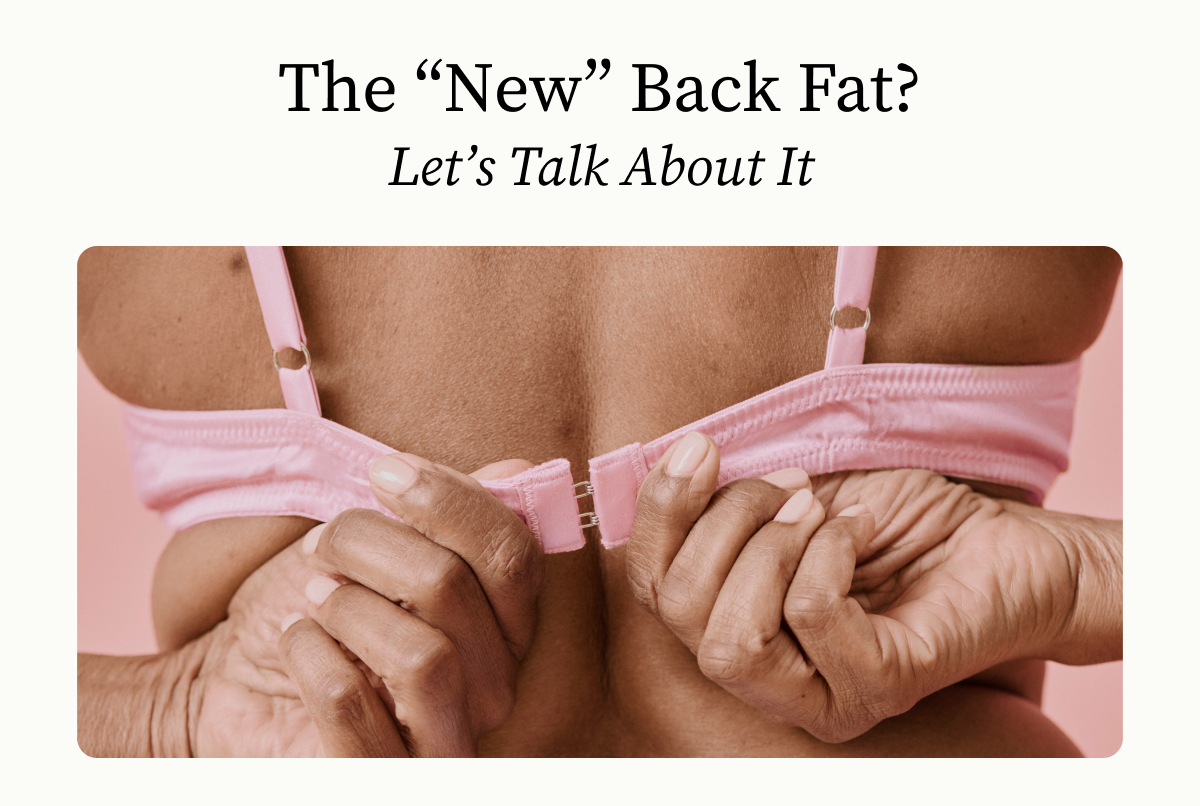
Wondering whether back rolls are the new normal—or if there’s a way to smooth things out? First, know this: Some extra softness around the bra line is normal. As hormones shift, muscle mass naturally declines, and fat distribution can change—even if your habits haven’t.


Also, know that spot-reducing back fat doesn’t work. What does help is focusing on overall body composition:

  • Strength training to build and preserve muscle

  • Protein-forward nutrition to support that muscle

  • Consistency with movement, sleep, and stress management

Personalized care can also help. That may include lifestyle changes; hormone replacement therapy (HRT), which can help manage changes in fat distribution; or weight management medications like GLP-1s*. Book a visit to discuss what’s best for you.

Book a Visit

Best of the Blog

Can creatine help you lose weight during perimenopause and menopause?

Read More

5 vitamins that can help with hormonal imbalance in midlife women

Read More

Has your menstrual cycle been getting longer? Here’s what’s likely going on

Read More

Trending Topics

  • Want your top midlife questions answered by a Midi clinician? Drop them here, then join our live AMA this Thursday, April 23 at 11am PST / 2pm EST to get our expert’s advice

  • Celebrities—they’re just like us—and yes, they’re dealing with the estrogen patch shortage too. We’re grateful to Amy Schumer for sharing smart, must-know tips on how to avoid disruptions in your treatment

  • Now trending thanks to Apple TV’s Your Friends & Neighbors: The MonaLisa Touch for your “lady bits”—but does the laser treatment really work to treat down-there dryness?
  • Ready to commit to working out but not sure where to start? Experts say women in menopause shouldn’t skip these 4 strength-training moves

Ask a Midi Clinician

Kathleen Jordan, MD

Midi’s Chief Medical Officer

Q:

“Why is my anxiety absolutely out of control all of a sudden?”

A:

Heart racing? Thoughts that won’t settle? On edge for no clear reason? Yep, that’s perimenopause anxiety. Many women experience these sudden surges of panic and worry during this stage. In fact, mood changes (such as anxiety, irritability, and low mood) are the most common first sign of perimenopause, according to a recent survey of Midi patients.


Here’s why: Estrogen helps regulate brain chemicals like serotonin and dopamine, which play a big role in mood. As estrogen levels start to shift in midlife, serotonin and dopamine can drop too—leading to emotional ups and downs that can catch you off guard. On top of that, dealing with other menopause symptoms, like hot flashes and night sweats, may affect your mood and increase anxiety.


The good news: perimenopause anxiety is very treatable, and you don’t have to figure it out alone. Your Midi clinician can help you understand what’s happening and find the right approach to help you feel like yourself again, whether with HRT, antidepressants, lifestyle changes, supplements, or another science-backed solution.

Book a Visit

Follow Us

@midihealth

Missed last week’s newsletter?

Catch up on past editions of the Midi Weekly and subscribe to get expert tips, science-backed solutions, and the latest menopause news straight to your inbox.

Read More

Email Marketing by ActiveCampaign