|
|
|
|
|
|
When it comes to heart health, how much does family history matter? |
|
|
|
|
|
|
|
Genetics play a role—but lifestyle matters more. Research shows that how you eat, move, manage stress, and more can lower the risk of cardiovascular disease by 80% or more, even if heart disease runs in your family.
Here are four high-impact moves I recommend to my patients:
-
Start with fiber: Fiber supports weight loss and lowers the risk of heart disease and stroke. Most women get only 12 grams per day, but you should aim for at least 25. If food alone isn’t getting you there, a fiber supplement can bridge the gap.
-
Know your numbers: Cholesterol and blood pressure screenings are essential in midlife, but only helpful if you understand them. If you’re not sure what your numbers mean for your risk, a Midi clinician can walk you through it and help you decide what—if anything—needs attention.
-
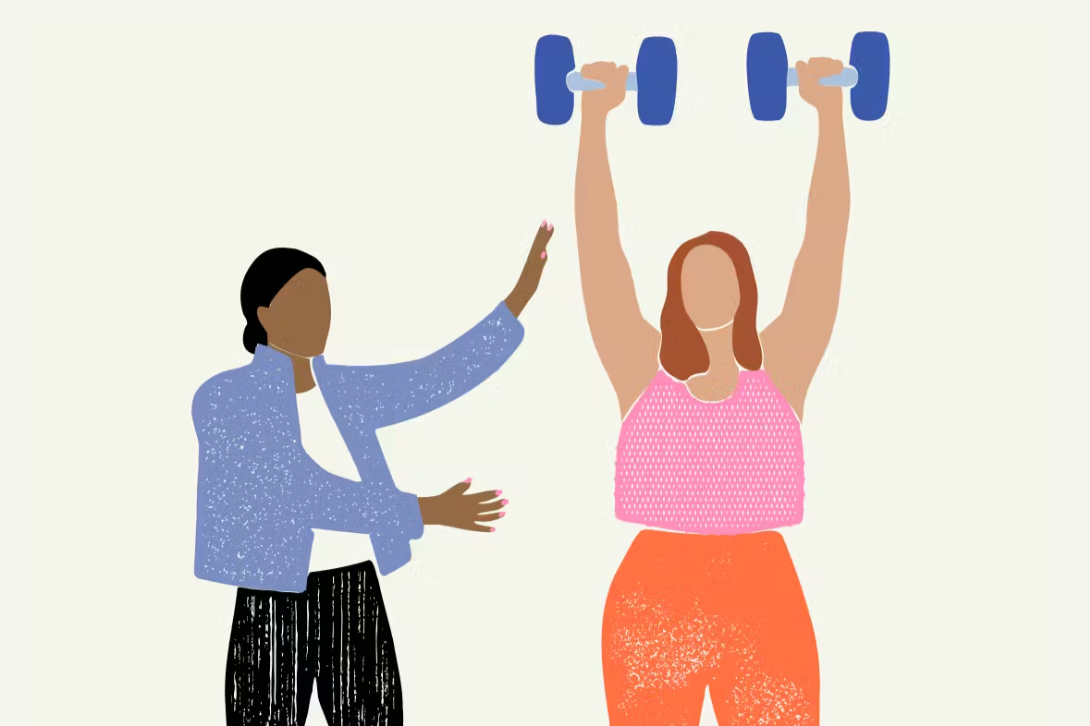
Move a bit more: Aim for 30 to 60 minutes per day, but don’t let that number intimidate you. Short bursts absolutely count. Walking the dog, taking the stairs, vacuuming, a quick yoga flow—it all adds up, and your heart benefits from every bit
-
Ask about hormone therapy: Studies show that women who start HRT within 10 years of their last period have fewer cardiovascular events and live longer. If symptoms are affecting your day-to-day, a Midi visit can help you decide whether HRT could support how you feel now—and protect your heart in the future.
|
|
|
|