|
After years of being injection-only, the Wegovy pill is now available—and yes, Midi prescribes it when appropriate. Wondering if it’s right for you? Here’s what to know.
|
What is the Wegovy pill? |
|
There’s a reason for all the buzz: It’s the first FDA-approved oral GLP-1 for weight management. Taken once daily, the Wegovy pill contains semaglutide—the same active ingredient in injectable Wegovy. |
Who is the Wegovy pill best for? |
|
This can be a great option if you don’t like needles or if you travel frequently and don’t want to deal with refrigeration. It can also make sense if your goal is more modest weight loss (for many women, that’s around 20 pounds or fewer). If you’re aiming to lose significantly more, injectable options tend to deliver stronger results. |
Is the Wegovy pill as effective as the injectable? |
|
Not quite—but it’s closer than earlier semaglutide pills. Because oral medications are absorbed differently than injections, the Wegovy pill is designed to be taken at a higher dose. At the max approved dose (25 mg), people lose nearly 14% of their body weight after about 15 months—or roughly 23 pounds for someone weighing 170 pounds. |
How does dosing work? |
|
Just like injectables, we start low (1.5 mg dose) to minimize side effects like nausea. If you need additional weight loss support, we’ll titrate up gradually. But if you’re already on an injectable and want to switch, you may be able to start at a higher oral dose since your body has already adjusted. |
|
|
|
 |
Midi’s personalized weight care is built on one simple truth:
Midlife weight gain is hormonal, not due to a lack of discipline. The Wegovy pill gives you one more option to do weight loss your way.
Book a visit to talk with a Midi clinician about whether it’s a good fit for your goals.
|
| Book a Visit |
|
|
|
|
|
|
Can creatine actually help you lose weight in midlife? |
|
Read More |
|
|
|
Exactly how to test your cortisol levels at home |
|
Read More |
|
|
|
Natural ways to improve midlife joint pain and inflammation |
|
Read More |
|
|
|
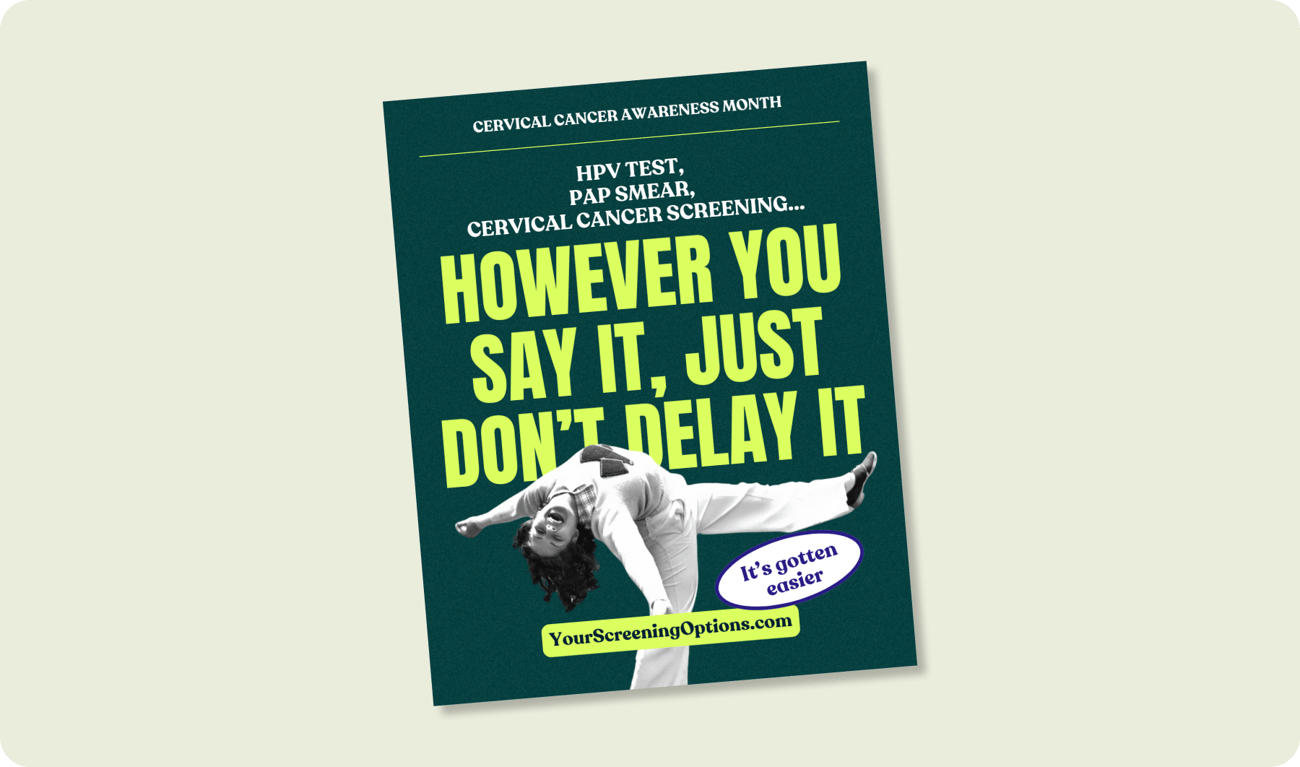
Don’t Skip This Screening |
 |
|
Cervical cancer is largely avoidable—but 1 in 4 women in the United States are behind on screening, and diagnoses are rising in women ages 30 to 44.
The good news: Regular HPV testing makes cervical cancer nearly 100% preventable, and in addition to Pap smears, self-screening can now be conducted in a health care setting or at home using a simple vaginal swab that’s done in private.
Staying up-to-date matters at every age (even after menopause, you need to be screened at least every five years). Midi clinicians help track when you’re due for screening and can refer you for testing and follow-up care when needed. |
| Learn More |
|
|
|
|
Missed last week’s newsletter? |
|
Catch up on past editions of the Midi Weekly and subscribe to get expert tips, science-backed solutions, and the latest menopause news straight to your inbox. |
|
|
|
|
|