|
Midi’s best deal of the year is live! Get up to 40% off clinician-formulated supplements and bundles. If you’re looking to treat someone you love (yourself included!) this holiday season, we’ve got ideas:
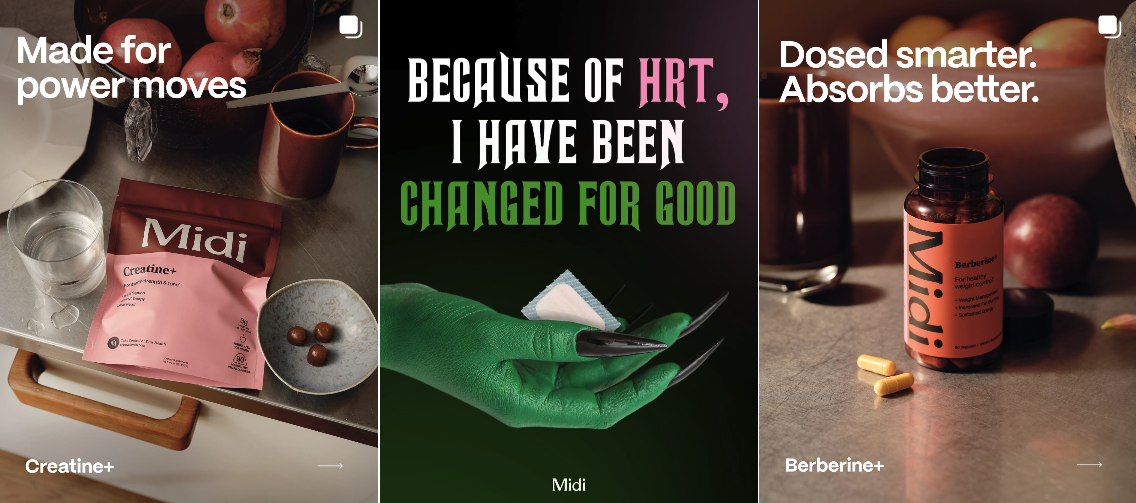
For anyone who needs more Zzzzs: Midi’s Daily Cortisol Support is the ultimate nightcap, featuring ingredients that help ease stress, steady mood, and support restorative sleep. Shop Now
For the friend who does it all: Support her mind, mood, and health with Midi’s Holiday Survival Kit. Daily Cortisol Support, Daily Fiber+, and Daily Brain Boost team up to keep her calm, clear, and energized through the holiday rush. Shop Now
For your workout partner: Whether you’re Pilates pals or power walkers in weighted vests, Midi’s Creatine+ supports muscle health and boosts energy to help you both hit your get-strong goals. Shop Now |
| Shop All Black Friday Deals |
|
|
|
|
|
|
The best weight loss supplements for women
Read More |
|
|
|
Top 20 questions: Breast cancer and HRT, answered
Read More |
|
|
|
Estradiol levels by age: What’s normal, what’s not
Read More |
|
|
|
Trending Topics |
- Bonus Black Friday deal alert! The Oura Ring tracks perimenopause symptoms, allowing you to monitor trends and easily share your data with a Midi clinician—and for a limited time, you can get up to $150 off select Oura Ring 4 styles from November 20 to December 1. Shop here
-
OK, this is hilarious and way too relatable: Is it Thanksgiving—or just perimenopause?
-
Perimenopause is associated with changes in stroke risk, but there’s a lot you can do to stay healthy and protected
- A staggering 40% of women are misdiagnosed during perimenopause, often treated for depression or anxiety instead of having their hormonal fluctuations recognized and addressed (at Midi, we won’t let that happen)
- Listen of the week: Dr. Sanjay Gupta explores what removing the black box warning on HRT means for women, whether blood tests are helpful during menopause, and more
|
|
|
|
|
|
|
|
|
|
“My joint pain has gotten so bad during perimenopause, I’m unmotivated to work out. What can I do?” |
|
|
|
|
|
|
|
Many women tell us they notice more joint pain during perimenopause. Here’s one reason why: Our joints have estrogen receptors, so when estrogen levels drop, it can lead to stiffness, achiness (often in the hands, feet, or larger joints), and increased inflammation. For some women, HRT can ease these symptoms.
But not all pain is hormonal—overuse injuries and localized issues still happen. If you have persistent or localized pain, it’s smart to have it evaluated.
As for the decreased motivation to exercise: totally normal! Sleep, in particular, has a huge impact on energy and motivation, and two-thirds of women in midlife struggle with poor shut-eye. If sleep is an issue, there are many ways to improve it, including lifestyle strategies, supplements, and hormone therapy.
When you’re ready to reintroduce movement, start small. Try weaving in simple, doable activities: a 10-minute walk after meals, leg raises while seated at your desk, or wall sits. Consistency matters more than intensity. A small routine you can repeat regularly will help you feel better long-term and reduce injury risk more than a strenuous workout done only once in a while. |
|
|
|
|
|
Whether joint pain, poor sleep, or something else is getting in the way of your workouts, your Midi clinician can adjust your Care Plan to get you back on track.
|
| Book a Visit |
|
|
|
|
Missed last week’s newsletter? |
|
Catch up on past editions of Midi Weekly and subscribe to get expert tips, science-backed solutions, and the latest menopause news straight to your inbox.
|
| Read More |
|
|
|
|