Share
20% off all supplements—ends today!
 ‌ ‌ ‌ ‌ ‌ ‌ ‌ ‌ ‌ ‌ ‌ ‌ ‌ ‌ ‌ ‌ ‌ ‌ ‌ ‌ ‌ ‌ ‌ ‌ ‌ ‌ ‌ ‌ ‌ ‌ ‌ ‌ ‌ ‌ ‌ ‌ ‌ ‌ ‌ ‌ ‌ ‌ ‌ ‌ ‌ ‌ ‌ ‌ ‌ ‌ ‌ ‌ ‌ ‌ ‌ ‌ ‌ ‌ ‌ ‌ ‌ ‌ ‌ ‌ ‌ ‌ ‌ ‌ ‌ ‌ ‌ ‌ ‌ ‌ ‌ ‌ ‌ ‌ ‌ ‌ ‌ ‌ ‌ ‌ ‌ ‌ ‌ ‌ ‌ ‌ ‌ ‌ ‌ ‌ ‌ ‌ ‌ ‌ ‌ ‌ ‌ ‌ ‌ ‌ ‌ ‌ ‌ ‌ ‌ ‌ ‌ ‌ ‌ ‌ ‌ ‌ ‌ ‌ ‌ ‌ ‌ ‌ ‌ ‌ ‌ ‌

Book A Virtual Visit

Shop Midi Supplements

A Weight-Loss Plan for Right Now

Weight loss during midlife? It’s complicated. But the biggest barrier isn’t your willpower—it’s your hormones. As estrogen levels drop during menopause, your body naturally:

  • Loses lean muscle

  • Stores more belly fat

  • Ramps up appetite

While it’s tempting to jump on the latest “quick fix” before the holidays hit, trendy diets aren’t the answer. Midlife weight loss requires a holistic approach—and what worked in your 30s probably won’t work now.


If you want to manage your weight, you’ve got options (real ones). Midi’s clinicians can create a personalized plan that works for you—whether that includes GLP-1s*, HRT, simple lifestyle tweaks, or supplements designed for this stage of life.


Don’t wait for January. Get started now.

Book a Virtual Visit

Best of the Blog

Everything to Know About Frozen Shoulder During Menopause

How to Increase Estrogen Naturally

Magnesium for Sleep During Menopause

Feel Your Best, for Less!

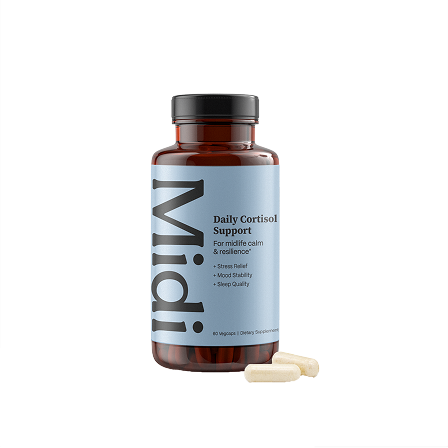
Stress doesn’t just mess with your mood—it messes with everything. From 2 a.m. wakeups to snack attacks, cortisol chaos can throw your system out of sync. 


Midi’s Daily Cortisol Support is a hormone-free way to bring everything back into balance. It helps support better sleep, calmer moods, and steadier energy. 


Limited-time offer! Save 20% on all Midi supplements when you order today, Wednesday 10/29.


Save 20% Now

#Trending

Ask a Midi Clinician

The expert: Mindy Goldman, MD, Midi’s Chief Clinical Officer


Q: “Why do some breast cancer treatments bring on early menopause?


A: Before I dive into this answer, I want to clarify something important: Estrogen doesn't cause cancer. However, it can cause some cancer cells to grow more quickly. That's why many breast cancer treatments work, in part, by lowering estrogen. And while this can be beneficial for cancer treatment, the quick decline in estrogen can cause menopause to happen sooner than expected.


Chemotherapy can temporarily—or sometimes permanently—stop ovaries (the body’s primary producers of estrogen) from working, while surgery to remove the ovaries causes the immediate onset of menopause. And some cancer therapies, such as tamoxifen or aromatase inhibitors, can also trigger menopause-like symptoms including hot flashes, brain fog, or vaginal dryness.


While these treatments are powerful tools in cancer care, early menopause can bring its own challenges—from hot flashes and weight changes to sleep disruption and painful sex. The good news: There are safe, effective options for managing these symptoms, from lifestyle strategies to non-hormonal medications and localized estrogen therapy, like vaginal estrogen creams. Midi’s clinicians take your full health journey into account and work with you to find the approach that’s right for your body.


Book a Virtual Visit

Have a menopause-related question you want our experts to weigh in on? Let us know and we’ll answer it in an upcoming newsletter.

From the Feed

Follow Midi

Missed last week’s newsletter?

Catch up on past editions of the Midi Weekly and subscribe to get expert tips, science-backed solutions, and the latest menopause news straight to your inbox.

Read More
How Midi Works
Midi Rx
Pricing & Insurance

FAQs

Contact Us


Email Marketing by ActiveCampaign